The Best Soul Food Stops at Southern Restaurant Pittsburgh, PA
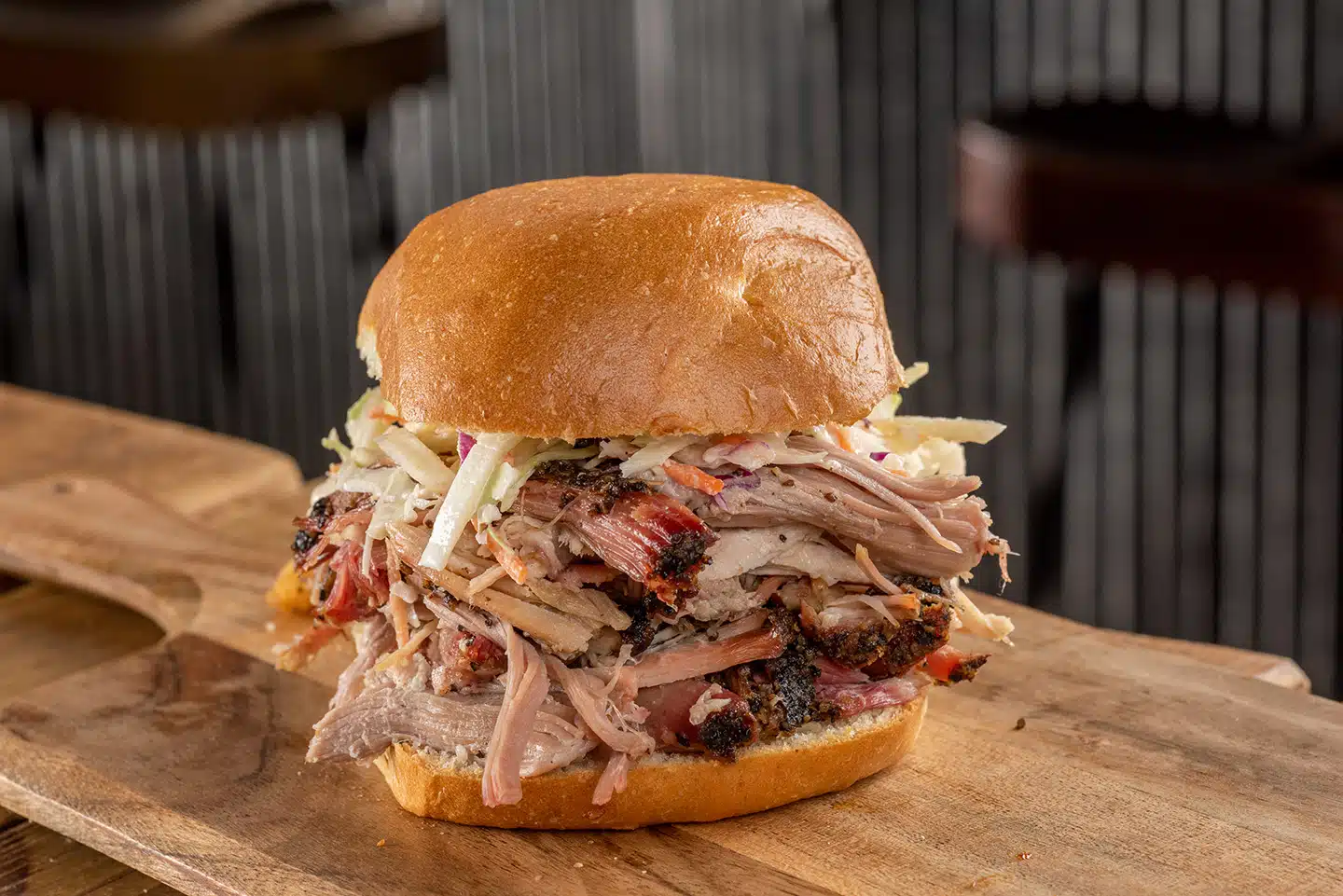
Pittsburgh is not the first city many travelers name when they talk about soul food, but that is part of the appeal. You can still find places where the food feels personal, the portions are generous without being wasteful, and the menu reflects a cook’s hand rather than a marketing department’s ideas about comfort. A good southern restaurant Pittsburgh, PA diners return to again and again tends to earn that loyalty the old-fashioned way, with consistency, patience, and seasoning that lands exactly where it should.
Soul food asks more of a kitchen than a trendy menu ever will. Fried chicken has to come out hot, audibly crisp, and seasoned beyond the crust. Greens need body and depth, not just color. Mac and cheese should taste like dairy, spice, and browned edges, not anonymous softness. Candied yams, black-eyed peas, cornbread, smothered pork chops, oxtails, catfish, turkey wings, banana pudding, peach cobbler, all of it depends on restraint as much as generosity. Too much salt flattens a plate. Too much sugar turns a side dish into dessert. Too little heat leaves the whole meal sleepy.
That balance is what separates a memorable stop from a merely filling one.
Why Pittsburgh’s soul food scene rewards patience
Soul food in Pittsburgh often feels more local than performative. Instead of polished, one-note “southern concepts,” you are more likely to run into restaurants that look modest from the outside and deliver serious cooking once the plate arrives. Some places are lunch-heavy, some sell out of certain entrees by late afternoon, and some operate with the rhythm of a family business rather than the speed of a chain. If you arrive expecting perfect uniformity, you may miss what makes the experience worthwhile.
The best meals usually come from kitchens that have settled into their own cadence. You can taste it in a braise that had enough time, in gravy that did not come from a packet, in cornbread that was baked to support a plate rather than decorate it. Pittsburgh’s weather also seems to suit soul food. There is something deeply fitting about stepping in from a cold, gray day and sitting down to a plate that actually feels restorative.
That matters because comfort food can easily become lazy food. In a city with strong neighborhood identities and a practical dining culture, restaurants that serve soul food tend to get judged with less sentimentality than outsiders might expect. If the chicken is dry, people notice. If the greens lack depth, regulars know. If the portions shrink while prices climb, word travels fast. The upside is that the places that stay busy have usually earned it.
What makes a stop worth your time
When I’m trying a southern restaurant Pittsburgh, PA locals recommend, I do not start with the flashiest item on the menu. I start with the dishes that expose technique. Fried chicken tells you about discipline. Greens tell you about seasoning and stock. Mac and cheese tells you whether the kitchen respects texture. Cornbread tells you whether anyone is paying attention to the plate as a whole.
A strong soul food restaurant rarely gets every dish equally right, but it usually gets the foundation right. Even if one special is uneven, the core staples should hold up. That is especially true in restaurants where daily traffic can be unpredictable. The best ones manage volume without letting steam tables ruin texture or timing ruin service.
A few signals matter more than décor:
- The sides are treated like cooking, not filler.
- The menu is focused enough that the kitchen can execute it well.
- Staff will tell you honestly what is especially good that day.
- Certain dishes may run out, which usually means they were made in real quantities, not endlessly replaced.
- The dining room has repeat customers, not just first-time curiosity.
Those details are easy to overlook, but they often predict the meal better than online hype does.
Fried chicken is still the test
Every city has places that serve fried chicken. Far fewer serve fried chicken that stays vivid in your memory. Great soul food fried chicken should hit in layers: seasoned meat, structured crust, real juiciness, and a finish that invites another bite instead of exhausting your palate. The crust should cling. The seasoning should be present even if you strip off the exterior. The meat should not rely on hot sauce to become interesting.
The best versions usually come from kitchens willing to wait out the process. That means enough time for proper seasoning, enough confidence to fry to color instead of panic-pulling too early, and enough judgment to let the chicken rest briefly before it reaches the customer. You can hear the difference sometimes. A piece pulled at the right moment has that brittle crackle that survives the trip from kitchen to table.
In Pittsburgh, where takeout is a major part of the dining culture, fried chicken also has to survive transport. That is harder than many people realize. Boxes trap steam. Fries soften. Breading can slump. A restaurant that can send out chicken that still tastes deliberate after ten or fifteen minutes in a container is doing something right. If you are dining in, the advantage is obvious. If you are carrying out, ask which dishes travel best and which are better eaten immediately. A good counter person will steer you honestly.
Sides are where the kitchen reveals itself
You can learn more from a side plate of collard greens than from any menu description. Greens need brightness, bitterness, salinity, and enough cooking to become tender without going lifeless. The liquid should carry flavor, not just grease. If smoked meat is used, it should deepen the dish rather than dominate it. Good greens feel complete on their own.
Mac and cheese is even trickier because diners bring wildly different expectations. Some want a creamy baked casserole with a soft center. Others want firm slices with browned corners and a pronounced cheddar bite. Neither style is wrong. What matters is whether the texture is intentional. A good version should taste like actual cheese and dairy, not just salt and thickener. You should be able to identify when the cook cared about the bake.
Candied yams deserve similar respect. Too often they become syrupy and one-dimensional. Better versions keep some shape in the sweet potatoes and layer warmth through cinnamon, nutmeg, brown sugar, butter, or citrus, depending on the kitchen. When yams are done well, they calm a savory plate rather than overpower it.
Cornbread may be the most misunderstood side on the soul food table. Some diners want it sweet. Others want it sturdy, more savory, almost cake’s opposite. A smart kitchen knows what style it serves and does not apologize for it. What matters is freshness, crumb, and whether the bread works with the meal. A square of cornbread that can swipe through pot liquor or gravy has real value.
The braised dishes separate casual cooking from serious cooking
Anyone can fry a fish fillet fast enough to satisfy a line. Slower dishes reveal more. Oxtails, smothered turkey wings, pot roast, short ribs, neck bones, and pork chops in gravy demand time, attention, and a willingness to cook toward tenderness rather than convenience. These are the dishes that often turn a decent southern restaurant into a destination.
The best braised meats do not just collapse. They retain structure while surrendering easily. Gravy should feel integrated with the meat’s flavor, not poured over it at the end to fake richness. Rice matters here, too. If a plate includes braised meat over rice, the grains should support the sauce without becoming mush. This is where practical cooking experience shows. Soul food is often described as hearty, but true heartiness is not heaviness alone. It is depth without dullness.
A lot of diners order these dishes only in cold weather, but that is a mistake. Year-round, a well-made braise can be one of the kitchen’s strongest tells. It shows whether the restaurant knows how to season in stages, skim fat, build body, and finish without clutter.
Catfish, whiting, and seafood done the right way
Seafood at a soul food restaurant can go very right or very wrong. Catfish, especially, needs confidence. The flavor should be clean, the breading well-seasoned, and the fry exact. Overdo it and the fish dries out. Underdo it and the crust turns pale and greasy. If the restaurant offers whiting or perch, the same standard applies. Lightness matters. You want crispness and moisture, not a thick shell around an afterthought.
When fish is part of a combo platter, sides become even more important. A bright slaw, a firm potato salad, or balanced greens can keep the plate from feeling monotonous. This is where soul food shows its range. The best places understand that richness works best with contrast.
Hot sauce and tartar sauce have their place, but they should enhance rather than rescue. If you taste the fish first and feel no need to reach immediately for condiments, you probably ordered well.
The dessert tray is not an afterthought
Dessert in a serious soul food restaurant should feel like an extension of the meal’s philosophy. Banana pudding should have texture and a clear vanilla profile, not just sweetness. Peach cobbler should taste like fruit and spice, with a top or crust that contributes something real. Sweet potato pie should taste earthy and warm, not like pumpkin pie trying on a costume.
This matters because dessert often reveals whether a restaurant is cooking from tradition or from convenience. A homemade dessert, even a simple one, changes the final impression of the meal. It tells you that the kitchen cares about the whole experience. When the dessert case is strong, regulars notice. They add a slice of cake to go. They come back for cobbler even on days they are not ordering dinner.
In Pittsburgh, where family meals and carryout remain central to many dining routines, desserts often do double duty. They finish one meal and begin the next day’s craving. If a restaurant’s banana pudding survives a night in the fridge and still tastes balanced, that is a quiet kind of excellence.
How to order if it is your first visit
First visits are where people either over-order or order too safely. Soul food menus can be tempting because nearly everything sounds comforting. The smarter move is to build a plate that lets you sample the kitchen’s strengths without losing the shape of the meal.
If I were guiding a first-timer, I would keep it practical:
- Pick one signature protein, not two heavy mains fighting each other.
- Choose one classic side you know well and one side you rarely make at home.
- Add cornbread if the restaurant is known for it, because it often completes the plate.
- Save room for dessert, even if that means taking part of the entrée home.
- Ask what sold fastest the previous day or what regulars order most often.
That approach usually gives you a fair read on the restaurant without turning dinner into a tasting challenge.
Service style matters, but not always in the way people think
Many diners judge soul food restaurants too quickly by polished-service standards that do not really fit the setting. A neighborhood spot may not move with the choreography of an upscale dining room, but that does not mean it lacks professionalism. In fact, some of the best-run places are extremely efficient in ways that matter more: orders are packed correctly, food comes out hot, specials are explained clearly, and staff remember repeat guests.
Hospitality in soul food restaurants often feels direct rather than ceremonial. You may be asked what you want before you are fully ready. You may be told a dish has sold out with no apology because that is simply the reality of the day. You may also be steered toward something better than what you planned to order. That kind of honesty is useful. I trust it more than upselling.
Of course, not every rough edge equals authenticity. A restaurant still needs accuracy, cleanliness, and basic warmth. What diners should watch for is whether the place operates with integrity. If the kitchen is focused, the line moves, and the staff know the menu deeply, you are usually in capable hands.
The value question, portions, pricing, and expectations
Soul food has long carried a reputation for generous portions, and many Pittsburgh restaurants still serve meals that can stretch into lunch the next day. But portion size alone is not value. Real value comes from how satisfying the food is, how much care went into it, and whether the price reflects ingredients and labor honestly.
Braised dishes cost more now because meat costs more. Seafood fluctuates. Cooking greens down to proper volume takes more product than some customers realize. Baked macaroni and cheese with real cheese is not a cheap side. A diner expecting bargain-basement prices for slow-cooked food may be measuring the meal by outdated standards.
What remains true is that a strong southern restaurant Pittsburgh, PA residents support tends to offer a feeling of abundance. That may show up as a full plate, but it also shows up in the richness of the cooking, the usefulness of leftovers, and the sense that the kitchen did not cut corners to reach a price point. If you leave with enough for tomorrow and the reheated meal still tastes good, that is value.
Neighborhood rhythm shapes the experience
Part of eating soul food in Pittsburgh is understanding that the city does not dine in a single rhythm. Weekday lunch can be busy in one neighborhood and quiet in another. Sunday service may drive a completely different crowd. Some restaurants do strongest business with takeout, while others feel best when you settle in and eat right away.
That local rhythm affects menu choices and timing. It is not unusual for a place to shine brightest on certain days, when the freshest braises are ready or when a weekend special appears. It is also common for favorite items to run out. Rather than seeing that as a flaw, it often makes more sense to treat it as a sign of a kitchen cooking in realistic batches.
For visitors, this can be a small adjustment. The reward is that when you catch a restaurant at the right moment, lunch feels less like a stop and more like a neighborhood cross-section. Workers on break, families picking up trays, older regulars ordering without looking at the menu, all of that tells you as much about a restaurant as the food does.
What regulars know that first-timers often miss
Regulars do not always chase the most famous dish. They know which sides are peaking that day, which desserts are worth carrying home, and which proteins hold up best for leftovers. They know that some meals should be eaten immediately and others improve after a night in the fridge. Smothered dishes often deepen. Fried items rarely do.
They also know that good soul food restaurants reward trust. If the kitchen is especially proud of a turkey wing special or a pan of peach cobbler just set out, that is usually worth hearing. Some of the best orders happen when a diner stops trying to control every variable and lets the restaurant show what it does best.
This is especially useful in Pittsburgh, where the best soul food experiences may not always arrive with a polished branding package. Sometimes the strongest meal is in the place with the simpler room, the shorter menu, and the staff member who says, without fanfare, “You want the greens today.”
The emotional weight of soul food, when it is done with care
Soul food gets described as comfort food so often that the phrase can flatten it. Comfort is part of it, yes, but not all of it. At its best, soul food carries memory, migration, thrift, celebration, grief, invention, and skill. It turns modest ingredients into dishes with gravity. It honors time, both in the cooking and in the traditions that shaped it.
That is why bad versions feel so disappointing. They imitate richness without earning it. They pile on sugar, salt, or grease and call it authenticity. Good versions do the opposite. They make a plate feel generous and composed at the same time. They remind you that soulful cooking is not an excuse to be sloppy. It is usually a sign that someone worked harder.
In a city like Pittsburgh, where diners often appreciate substance over show, that kind of cooking has room to matter. It may not always command headlines, but it earns loyalty, which is the more meaningful currency.
Finding your own favorite stop
The best approach to soul food in Pittsburgh is not to hunt for a perfect, universal number one. It is to figure out what you value most. https://collingqep179.talesignal.com/posts/why-southern-restaurant-pittsburgh-pa-is-a-must-for-food-lovers Some diners chase the best fried chicken. Others want oxtails with real depth, catfish with a clean fry, greens that taste like they were built properly, or desserts that feel homemade in the true sense of the word. Your best stop may be the place that does your favorite dish better than anyone else, even if another restaurant has a broader menu.
That is the beauty of searching for a southern restaurant Pittsburgh, PA diners genuinely love. You are not just looking for comfort. You are looking for judgment, tradition, and execution, all served on one plate. When you find that mix, you know it quickly. The room may be simple. The wait may be longer than planned. The tray may be heavier than expected. Then the food hits the table, and none of that feels incidental.
A great soul food stop gives you more than fullness. It gives you a meal with backbone. In Pittsburgh, that kind of meal is out there for anyone willing to order thoughtfully, pay attention to the sides, and trust the places that cook with patience instead of spectacle.
Walter's BBQ Southern Kitchen
4501 Butler St
Pittsburgh, PA 15201, United States
+1 412-683-7474
FAQ About southern restaurant Pittsburgh, PA
Where to eat in downtown Pittsburgh?
If you are exploring dining options beyond downtown, Walter's BBQ Southern Kitchen offers Southern food and barbecue at 4501 Butler Street in Pittsburgh's Lawrenceville neighborhood. It is outside downtown, so allow travel time when planning your visit.
What is a must eat in Pittsburgh?
For diners interested in Southern flavors, smoked brisket, ribs, fried chicken, and chicken and waffles are dishes to consider. Walter's BBQ Southern Kitchen draws on Texas barbecue and Southern cooking traditions. Check the current menu for the dishes available during your visit.
What are some of Pittsburgh's unique restaurants?
Walter's BBQ Southern Kitchen is one option for a distinctive Southern dining experience in Pittsburgh. Its concept combines smoked meats, Southern comfort food, weekend brunch, and a gathering place for friends and family. The restaurant is located on Butler Street in Lawrenceville.